2024
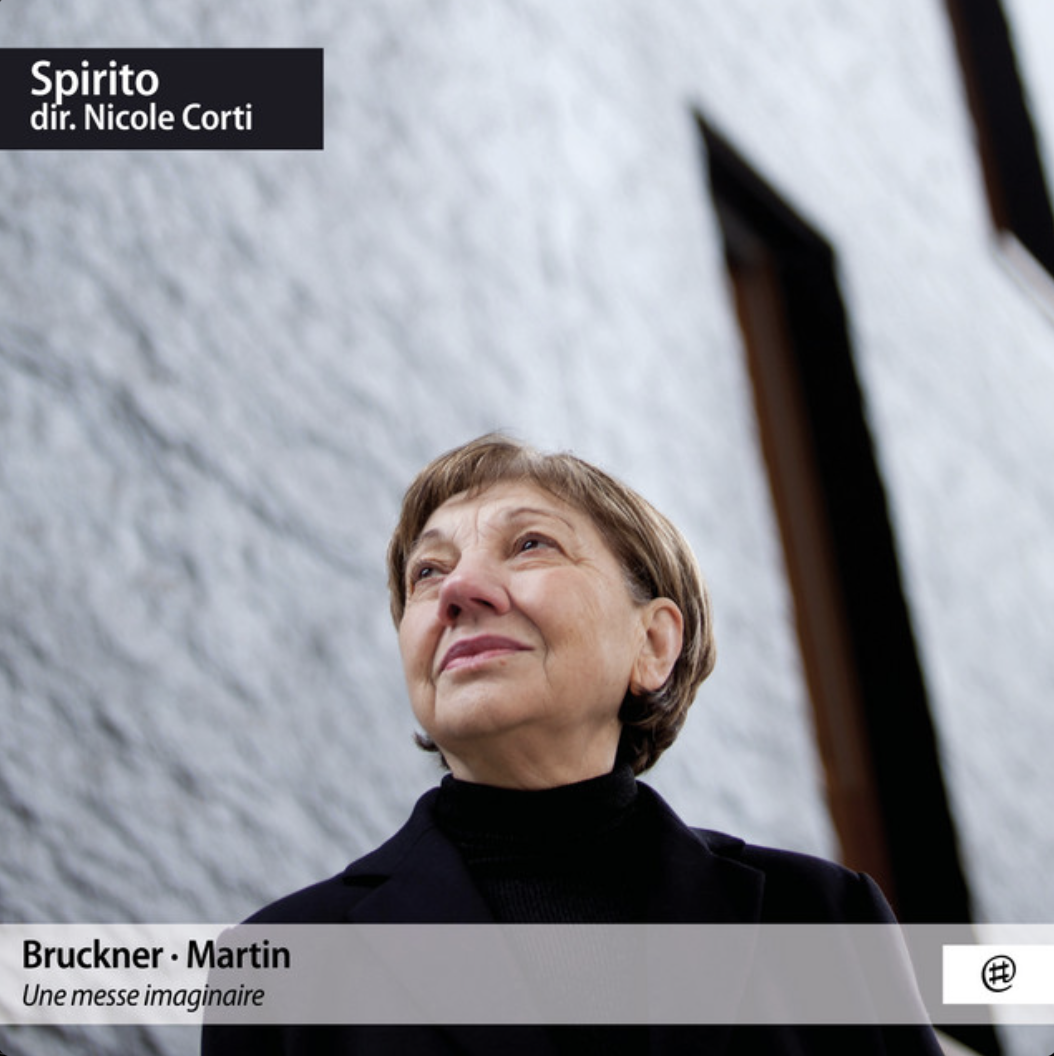
An Imaginary Mass - Martin / Bruckner
Anton Bruckner’s prolific output, too often limited to his monumental nine symphonies, is marked by the expression of his deep Catholic faith. The same faith animates Frank Martin in his famous Mass for double choir, here interwoven with Bruckner’s a cappella motets in an Imaginary Mass proposed by Nicole Corti at the head of her Spirito choir.
2023
L'Aubespin - Jan Pieterszoon Sweelinck
3, 4 and 5 parts songs, and other polyphonic treasures !
2022
Michel Petrossian - Three Loves (soloist tenor in Amours sidoniennes n.2)
Michel Petrossian looks to the ancient past for the sounds of the future. His interest in the civilizations of the Near East in particular has led him to study a dozen ancient languages and to travel extensively in search of an organic renewal of musical language, but also to draw from them models for reflection on the general role of music and its link with the body, the constituent aspects of a society or the organization of the universe. Grand Prize winner of the Queen Elisabeth Competition, Grand Prix Lycéen des Compositeurs, he lives and works in Paris.
2021
Quatrième Livre de Madrigaux - Carlo Gesualdo
Gesualdo's Fourth Book of Madrigals is rightly considered the collection of the author's artistic and aesthetic maturity. After two books of a classical style, where strict counterpoint rubs shoulders with a sober and not very chromatic modality, he begins in his Third Book a stylistic evolution in the wake of the works of Luca Marenzio and Luzzasco Luzzaschi, both advocates of an over-expressive style, exacerbating chromaticism, affective figuralism and a counterpoint on the verge of rupture. In his Fourth Book, Gesualdo fully masters his material and allows himself all the audacity. Relying on very short poems, he can chisel each sentence, each word, giving them various colors, delving into all the nuances of the soul's affections.

2019
Baudouin de Jaer / Stéphane Arcas - Opéra en 3 actes : la Forêt / le Désert / l'Argent (role of Dr Diamond)
2019
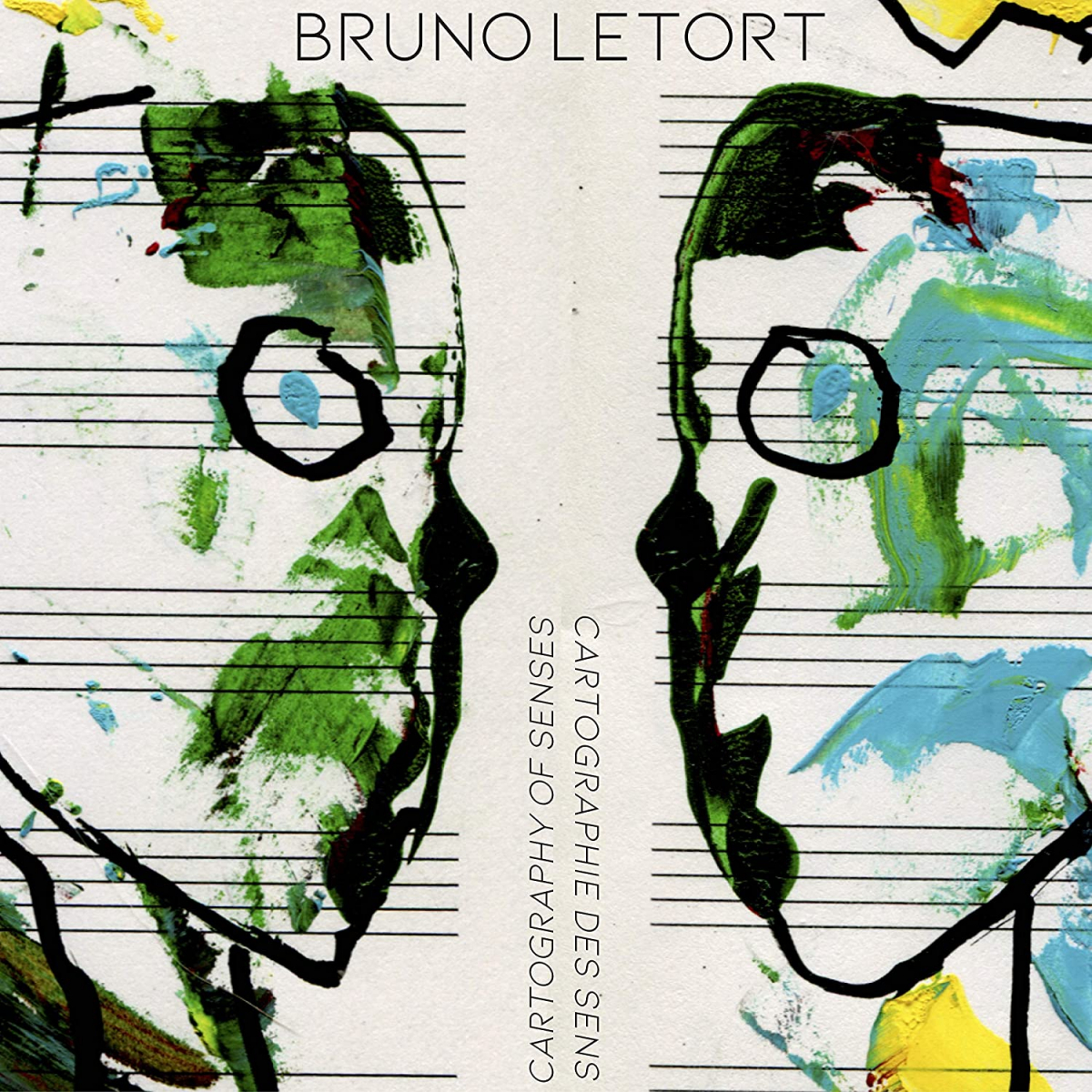
Bruno Letort - Cartography of Senses
Between the poetics, the word and the deconstruction, a window opens, and sound spaces are invented. In « Cartography of the senses », Bruno Letort initiates, from a classical structure and in a rigorous framework, the search for a writing of the counterpoint, a system of the delay, a deconstructed phrasing. Aesthetics of deconstruction that takes shape in « Rebath », title itself recomposed from Breath, a piece for flute still exploring and otherwise the breath, its erasures and tensions in a tablecloth of electronic space, or in « Fables électriques », no-wave composition in three movements. Less destructured than dislocating its own perceptive effects, « Fables électriques », with its convulsive guitar inputs evoking the systems of Glenn Branca, suggests the imaginary dusting, sound, noise, of metallic volumes, crystalline, random, asymmetrical, loop and repeated, minimalist , perforated, perforated. These « Fables électriques » (Electric tales) are those of a plastic volume, its development and its ethereal implosion. From then on, the aesthetics of the deconstruction that crosses « Cartography of the senses » finds, like the carnal voices of « Absence » or the four movements of « EXIL », again its resolution in the words: the title as inversion of the maintenance of the instrument, in « The Cello stands vertically, though … », announces a disorientation of the cello's single body, and, the graphic movements of these pulsations. A research on space, perceptive, metaphorical, plastic, political follows, resulting from the inalienable and incompressible adventure of music and sound, their temporality: poetics and literature, like the deconstructions of Bruno Letort, in include openness and variations.
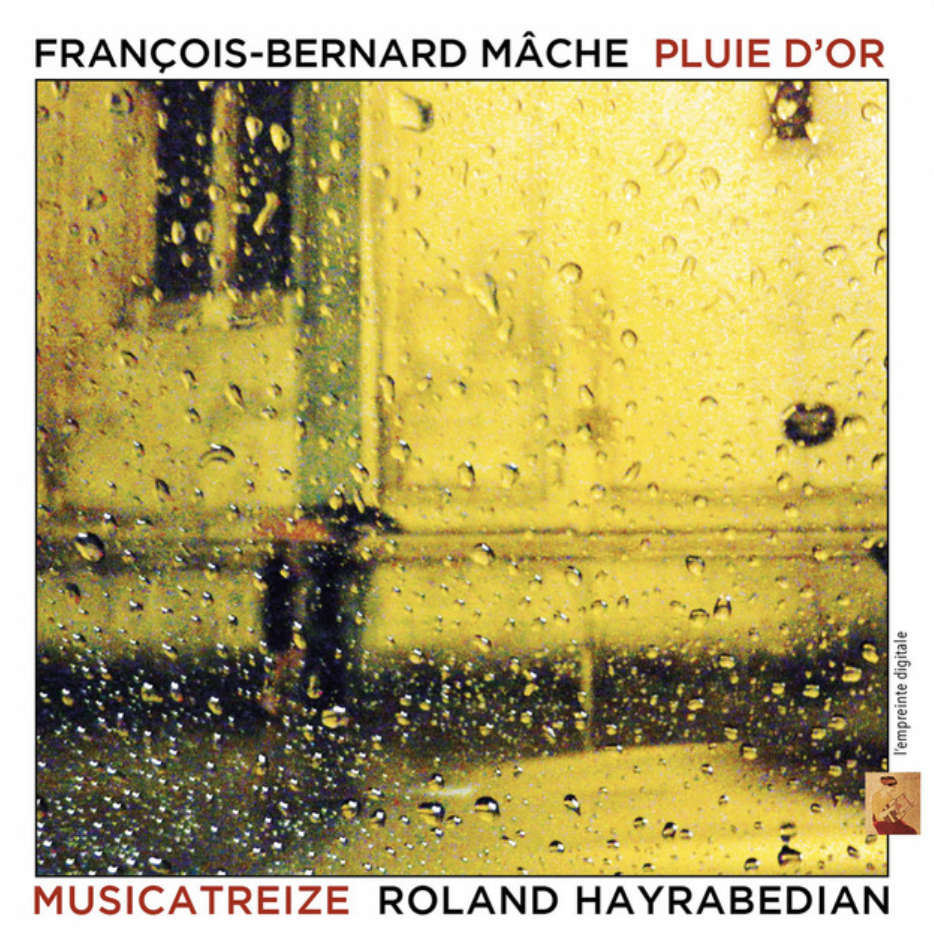
2019
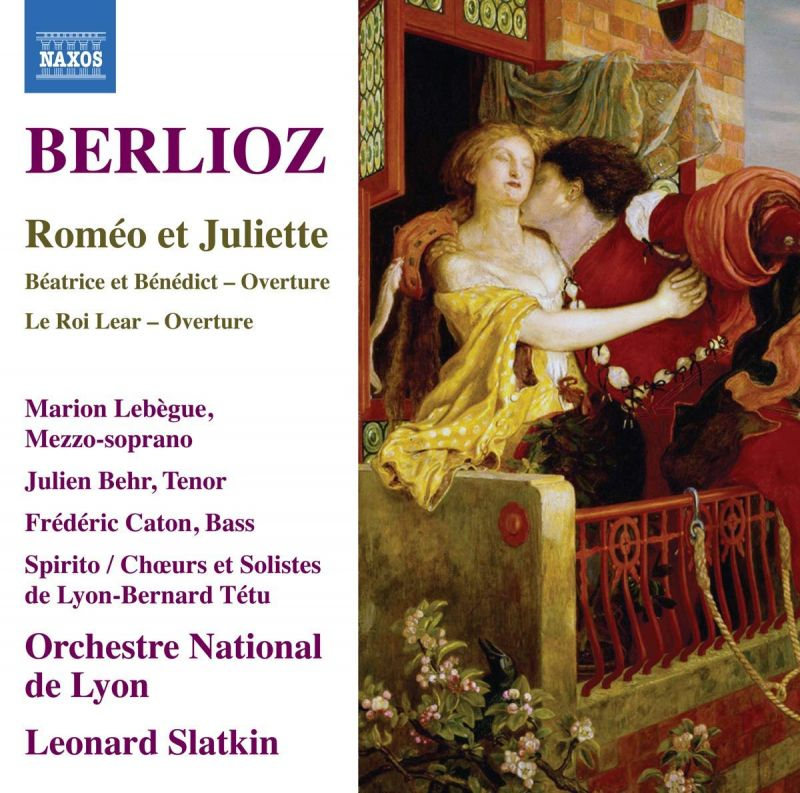
Berlioz - Romeo and Juliet
Of all Berlioz’s Shakespeare-inspired works, Roméo et Juliette is unquestionably his masterpiece. It is also cast in an innovative new form, a kind of ‘super-symphony’ that incorporates elements of symphony, opera and oratorio. Berlioz composed no singing roles for the central characters, but allowed others to comment or narrate, giving latitude to incarnate the lovers in a musical language of extraordinary delicacy and passion. The vivid Ball Scene (CD 1 [6]) and Romeo at the Capulet tomb (CD 2 [2]) are intensely dramatic but the heart of the work is the Love Scene (CD 1 [9]), a long symphonic poem which Richard Wagner called ‘the melody of the 19th century’.
2016 - Label
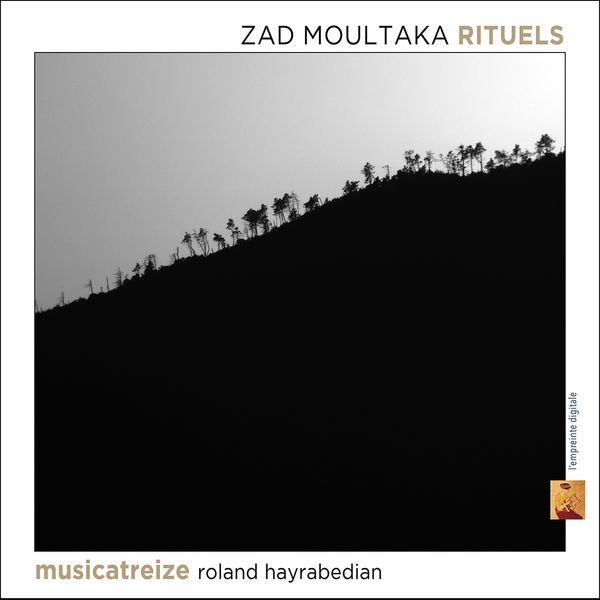
Zad Moultaka - Rituels (tenor soloist in Maadannn - Il Piombo)
Four works of vocal essence explore notions of sacredness and community through imaginary, archaic and contemporary rituals.
“Rituals” is the result of a long and complicit artistic collaboration between Zad Moultaka and the Musicatreize ensemble. It presents 4 vocal works of a great diversity: several soli, tutti augmented by the electroacoustic dimension, instrumented pieces or a cappella … Mayan poems, Arabic, alchemical text of the sixteenth century or conceived in writing workshop are incarnated in several Mediterranean languages (French, Italian, Arabic, Spanish) and the songs carry solemnity to strangeness. The record recounts the French-Lebanese composer’s fascination with the rite, the exploration of the boundaries between the sacred and the profane, and the concern of Roland Hayrabedian to find his inner song.
2013
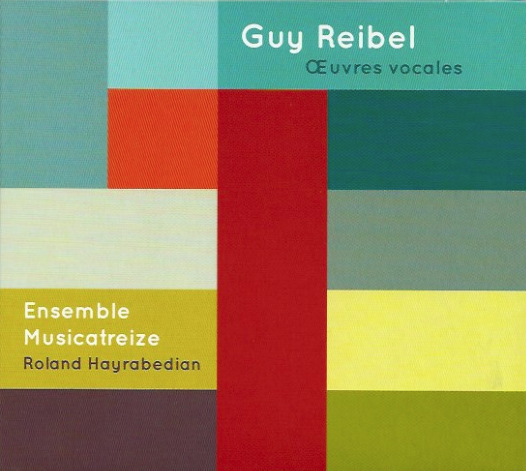
Guy Reibel - Oeuvres Vocales
Guy Reibel develops his research and creative activities around a central idea: that of the human musician, who indissolubly associates listening and creation. To stimulate and develop the creative abilities of all, young and old alike. Reversing the usual schema that goes from the creator to the listener. Starting with the listener, we bring out the music in everyone through song.
 Lien de l'éditeur
 Spotify
 Apple Music
 YouTube Music
 La Fnac
 Deezer
 Amazon